
Dekalb County In 1859-1861
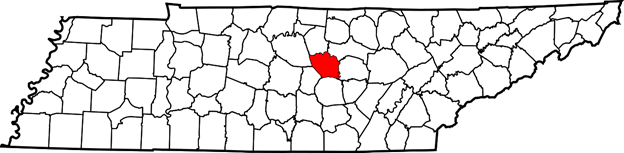
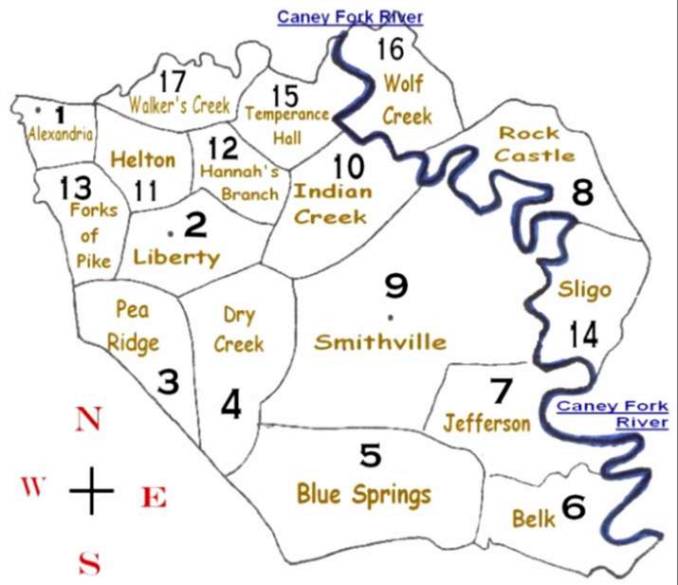
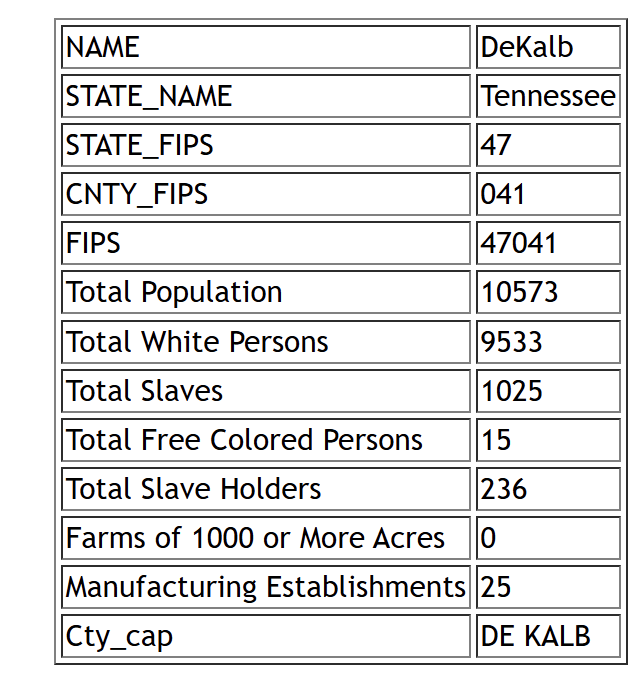
On the 11th Day of December in 1837, the Tennessee General Assembly created DeKalb County, Tennessee from parts of Franklin, Cannon, (Smith County is not named specifically in the legislation – parts of Smith County were put in Cannon County in 1836, as were parts of Warren County), Jackson, and White Counties.[1] It was named in honor of Johan DeKalb (1721-1780) a German baron who came to America with Lafayette in 1777, became a Revolutionary army officer, and was killed at the Battle of Camden.[2]

Baron Johann de Kalb - (Friend of Lafayette) Revolutionary War Officer
The Act of establishment was introduced in the Tennessee House of Representatives by H. L. W. Hill of Warren County. The legislation was amended in the Tennessee Senate, then passed by both houses, and signed into law by Tennessee Governor Newton Cannon.[3


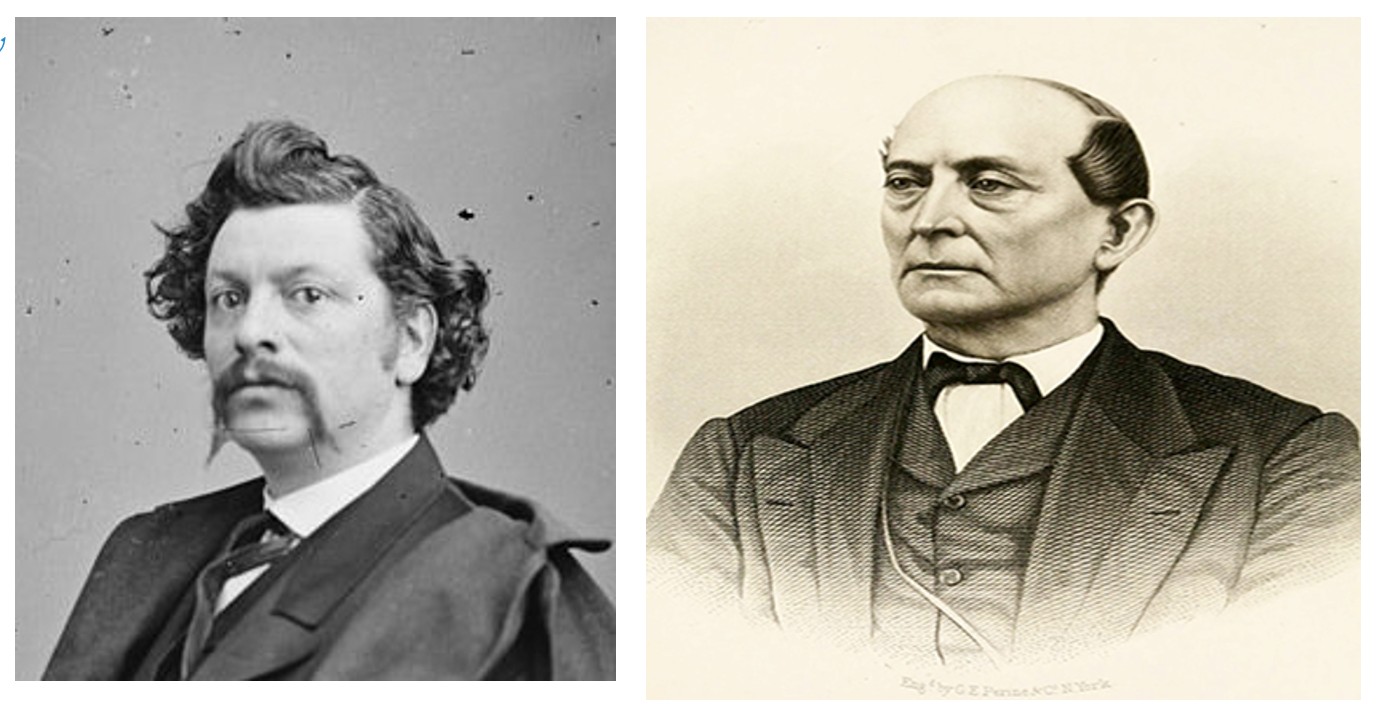
The Tennessee 4th District Congressional Election of 1859 was a landmark election and a pivotal divide in DeKalb County history. This race had long-lasting political, social, and military implications that had a major impact for decades following, as two DeKalb Countians faced each other. Many DeKalb Countians recalled that this election was the most important one in DeKalb County history because of its effect on the county for the next decade and beyond.
“In a close election, Stokes carried the district by 342 votes, though Savage carried DeKalb County 825 to 753.”[1] Each of these candidates went on to command a regiment on opposing sides during the Civil War and be elected Colonels of their respective regiments. The two political rivals opposed each other on the same battlefield during the Battle of Stones River fought near Murfreesboro, Tennessee on December 31, 1862 – January 2nd, 1863.[2]
[1] Webb, A Bicentennial History, 163.
[2] James Lee McDonough, Stones River – Bloody Winter in Tennessee (Knoxville: University of Tennessee Press, 1980), 245, 247.
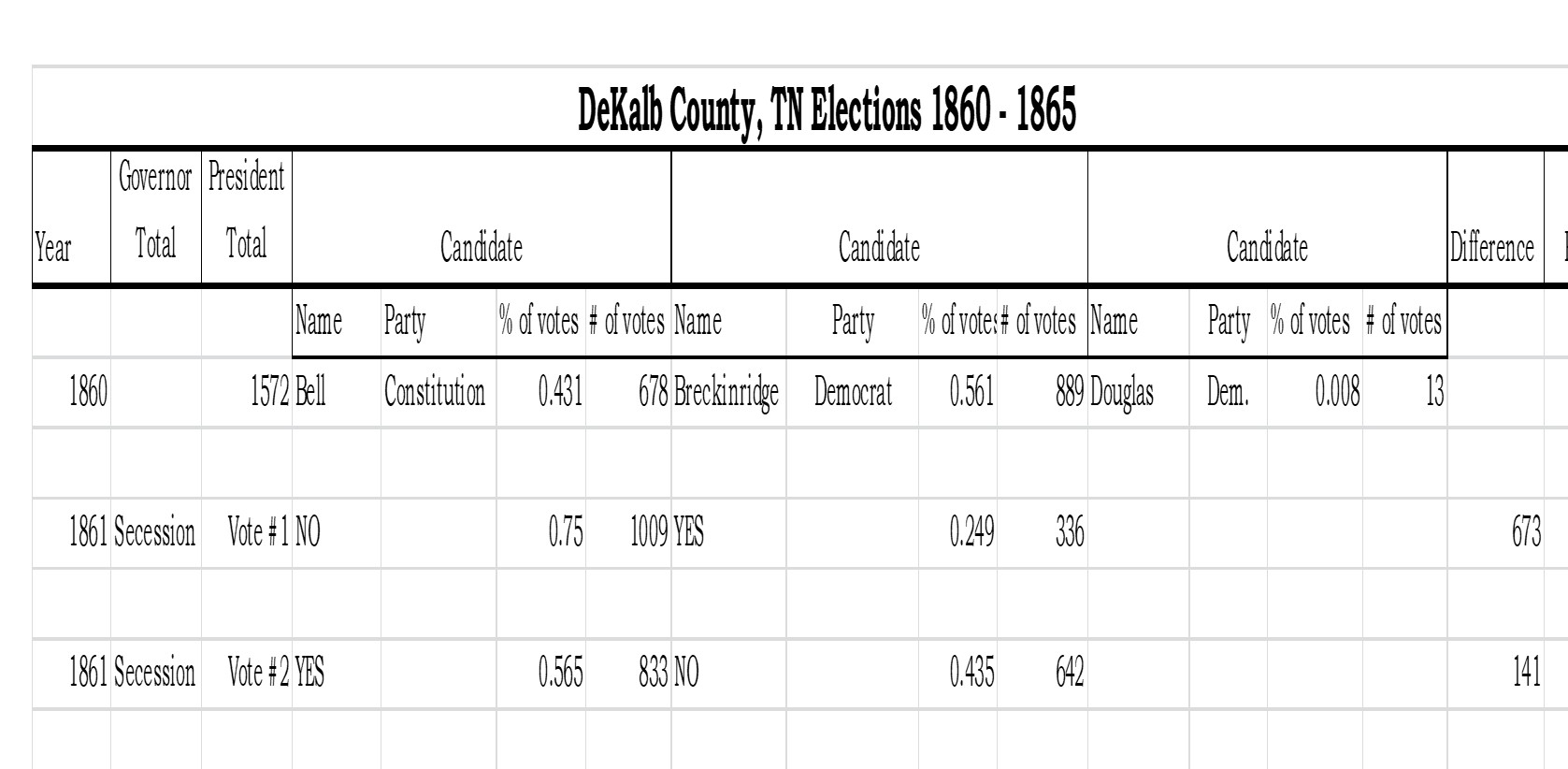
There were two votes regarding secession, the first on February 9th, 1861 and the second on June 8th, 1861. The Tennessee General Assembly had authorized a vote of the people of Tennessee, and DeKalb County citizens made essential decisions as to their future. These two votes demonstrated that DeKalb Countians were deeply divided in their sentiments for and against secession.
DeKalb County electors voted against holding a convention to consider secession by 1009 votes or 75.01% to 336 votes or 24.99% on February 9th, 1861. DeKalb County voted the greatest percentage against secession from the entire Congressional District.[1] The people of DeKalb County did not desire to separate at that time. However, things at the national level changed and thus changed the political attitudes of DeKalb Countians within just a few months.
On June 8th, 1861, DeKalb Countians voted for the second time for secession with a result of 833 votes or 56.5% for leaving the Union and 642 votes or 43.5% against secession. In comparison, neighboring Warren County voted 1,400 votes or 99.2% for leaving the Union and only 12 votes or 0.08% against leaving the Union. In contrast, neighboring counties of DeKalb County voted: Cannon County - 90% to leave and 10% to stay; Smith County 64.9% to leave and 35.1% to stay; Wilson County – 86.8% to leave and 13.2% to stay; and White County - 91.9% to leave and 8.1% to stay.[2] These figures demonstrate that DeKalb County was divided politically more than any surrounding county in eastern Middle Tennessee.
[1] Hopkins and Lyons, Tennessee Votes: 1799-1976, 43.
[2] Darrah,“Political Career of Col. William B. Stokes of Tennessee”, 59.